Nicotinamide Mononucleotide (NMN) is gaining attention for its potential to support energy metabolism and healthy aging, making it a focal point in modern health discussions.
What is NMN?
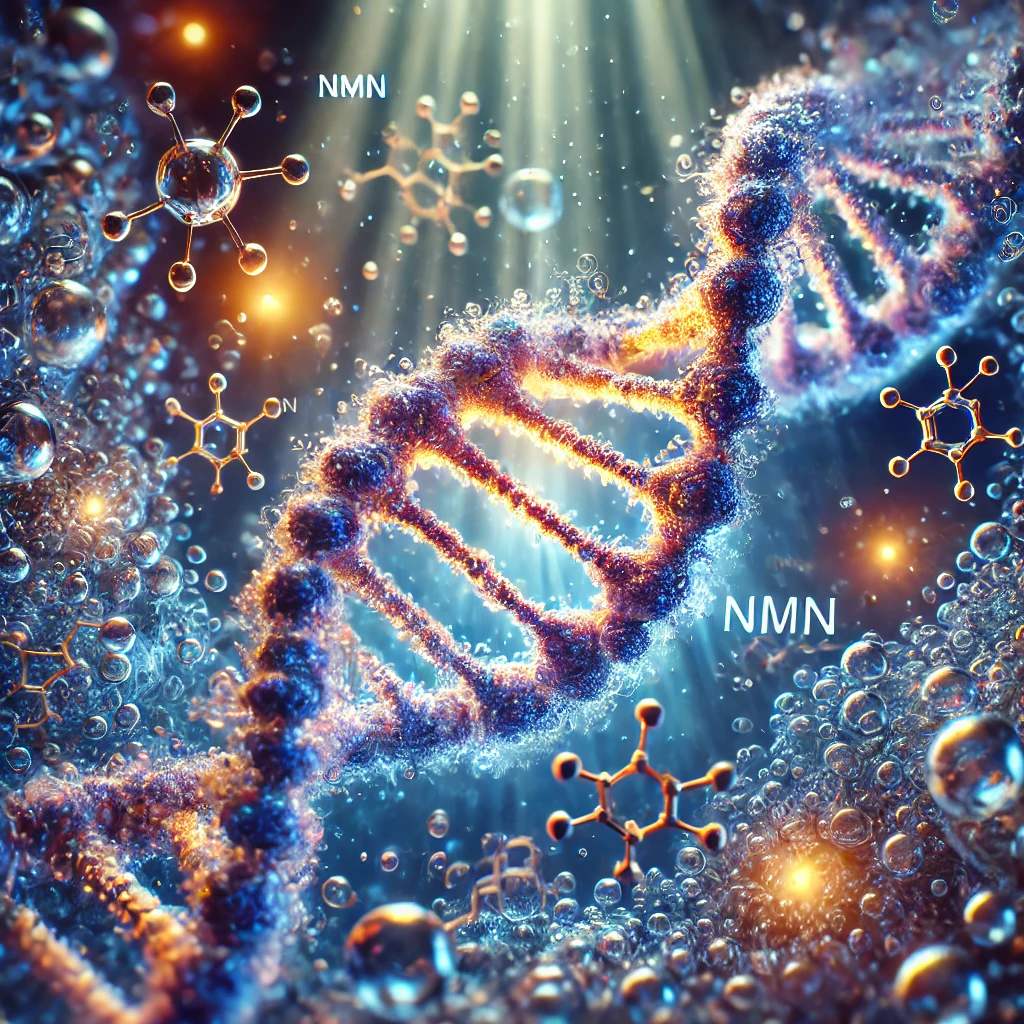
NMN (Nicotinamide Mononucleotide) is a compound naturally found in the body that acts as a precursor to NAD+ (Nicotinamide Adenine Dinucleotide), a critical molecule involved in energy production and cellular repair. As NAD+ levels decline with age, NMN supplementation is explored as a method to restore NAD+ levels, potentially improving overall vitality and cellular health.
Main characteristics:
-
NAD+ Precursor
-
Supports Mitochondrial Function
-
Enhances Cognitive Clarity
-
Promotes Physical Vitality
-
Declines with Age
-
Fast-Acting in Sublingual Form
-
Well-Tolerated with Few Reported Side Effects
Lifestyle goals:
-
Sustained daily energy
-
Cognitive performance and mental clarity
-
Healthy aging and longevity
-
Improved recovery and physical endurance
-
Metabolic health and weight management
-
Resilience during illness or physical stress
-
Optimization of fasting and hormetic stress practices
More about NMN
Impact on Mental and Physical Health
NMN is reported to enhance mental energy and focus by increasing NAD+ availability, which supports mitochondrial function in brain cells. Many users note improvements in daily energy, mood, and cognitive clarity when supplementing with NMN. These effects are especially significant for individuals in their 40s and beyond, where NAD+ levels naturally decline.
Physically, NMN may benefit cardiovascular function, metabolic resilience, and recovery from physical fatigue. Clinical trials suggest that boosting NAD+ can improve endurance and protect against age-related diseases, including metabolic disorders and kidney dysfunction. While long-term human lifespan extension is not yet proven, many users report subjective improvements in physical stamina and post-illness recovery.

- Natural Energy Boost
- Enhances Mental Focus & Clarity
- Supports Digestion & Gut Health
- Boosts Metabolism & Aids Weight Loss
- Strengthens the Immune System
- Packed with Antioxidants & Nutrients
- Supports Heart Health
How to Improve Behavior Around NMN
- Take NMN in the Morning: Most users report optimal benefits when taking NMN on an empty stomach within 1–2 hours of waking.
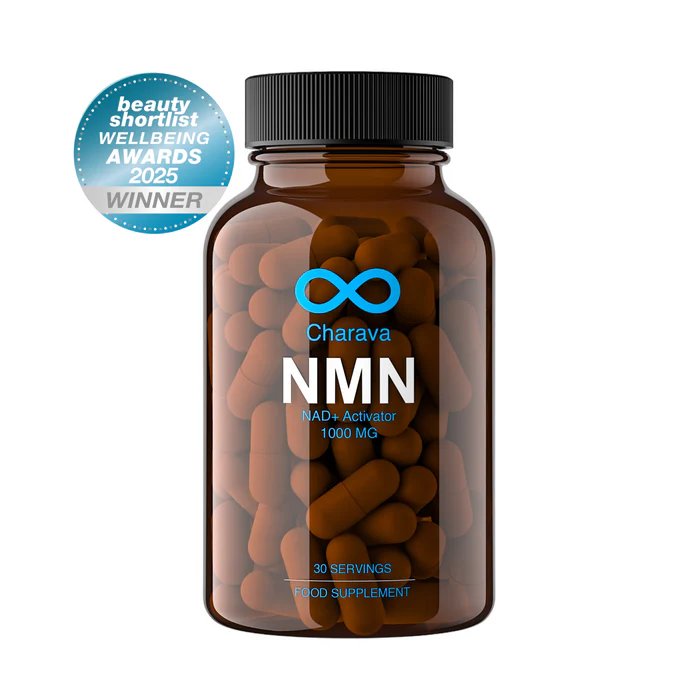
- Start with 250–500mg Daily: Begin with a moderate dose; some increase up to 1g–2g depending on energy needs and tolerability.
- Use Sublingual Powder for Absorption: Sublingual forms may improve bioavailability.
- Cycle NMN Use: Consider 5-days-on / 2-days-off or alternate-day dosing to mimic natural NAD+ fluctuation and reduce potential adaptation.
- Pair with Lifestyle Interventions: Combine NMN with fasting, exercise, and sleep hygiene for synergistic benefits.
Health Benefits of NMN
Foods, Additives, and Fluids to Support NMN-Linked Health
- Edamame and Broccoli – Natural sources of NMN and precursors that support NAD+ synthesis.
- Green Tea and Matcha – Contains polyphenols that may complement mitochondrial function.
- Resveratrol – Often taken alongside NMN for sirtuin activation.
- Olive Oil – Helps absorption of NMN when taken with fat-soluble nutrients.
- Water with Electrolytes – Especially useful during fasting or NMN-induced increased metabolism to prevent dehydration and fatigue.
Summary
NMN is a promising supplement that may support brain clarity, physical energy, and metabolic function through its role in boosting NAD+ levels. Though human lifespan extension is unproven, anecdotal and early clinical evidence suggest improvements in daily performance and resilience. For those exploring longevity strategies, NMN—especially when paired with good lifestyle practices—could offer a practical path to feeling and functioning younger.

Safety, Dosage Range, and Long-Term Use
NMN has demonstrated a favorable safety profile in both preclinical research and early-stage human trials. Most users tolerate it well, with no major adverse events reported in short- or medium-term studies. Anecdotal reports and self-monitoring users commonly note benefits such as increased alertness and reduced fatigue, with minimal side effects—typically limited to occasional gastrointestinal discomfort when taken in high doses. Standard starting dosages range from 250 mg to 500 mg per day, with some individuals increasing gradually to 1–2 grams depending on body weight, lifestyle demands, or therapeutic goals. Sublingual administration is often preferred for its enhanced absorption and quicker onset. While long-term data in humans is still emerging, NMN is widely used off-label by researchers, health-conscious professionals, and aging individuals alike. Users are encouraged to track changes in sleep quality, energy levels, and metabolic markers over time and consult healthcare providers when considering higher or sustained dosing protocols. Cycling NMN (e.g., 5 days on / 2 off) is also a common strategy to avoid metabolic adaptation.
How It Works
NMN (Nicotinamide Mononucleotide) functions primarily as a precursor to NAD+ (Nicotinamide Adenine Dinucleotide), a critical coenzyme involved in cellular energy metabolism, DNA repair, and the regulation of circadian rhythms. Once ingested, NMN is rapidly converted into NAD+, which activates key longevity-related pathways, notably the sirtuin family of enzymes. These enzymes influence mitochondrial biogenesis, stress resistance, and epigenetic stability — all essential for maintaining youthful cellular function. Elevated NAD+ levels also enhance autophagy and cellular repair mechanisms, particularly in energy-demanding tissues like the brain, heart, and muscles.
Compared to other NAD+ boosters, NMN offers distinct advantages. Nicotinamide Riboside (NR) is another NAD+ precursor, but some studies suggest NMN may be more efficiently utilized in certain tissues due to direct transporter pathways. Direct NAD+ infusions are used clinically but are invasive, expensive, and often uncomfortable, requiring IV administration. NMN can be taken orally or sublingually, making it more practical for long-term use. However, regulatory limitations exist: NMN was recently classified as a drug candidate in the U.S., which restricts its sale as a dietary supplement, unlike NR or resveratrol. These differences highlight NMN’s unique position in the landscape of longevity-supporting compounds.