Brain health nutrition focuses on dietary choices that nourish cognitive function, protect against decline, and support mental well-being, making it essential for maintaining sharpness as we age.
Main characteristics:
- Enhances cognitive function
- Improves mood stability
- Reduces cognitive decline
- Lowers inflammation
- Supports heart health
- Strengthens gut-brain connection
- Sustains brain energy
- Promotes longevity
Lifestyle goals:
- Fasting
- Keto
- Longevity & Anti-Aging
- Brain Health

More about Brain Health Nutrition
Brain health nutrition is the practice of selecting foods rich in key nutrients—like omega-3 fatty acids, antioxidants, vitamins, and healthy fats—that support brain structure and function. It emphasizes whole-food patterns, such as the MIND diet (a blend of Mediterranean and DASH diets), which prioritizes plant-based foods, fish, and limited processed items. This approach goes beyond isolated supplements, promoting sustained energy for neurons, reduced inflammation, and enhanced synaptic plasticity through everyday eating habits.
Impact on Health
- Enhanced Cognitive Function
- Improved Mood and Emotional Resilience
- Reduced Cognitive Decline
- Lower Inflammation
- Better Heart Health
- Improved Gut-Brain Connection
- Sustained Brain Energy
- Enhanced Longevity
Benefits
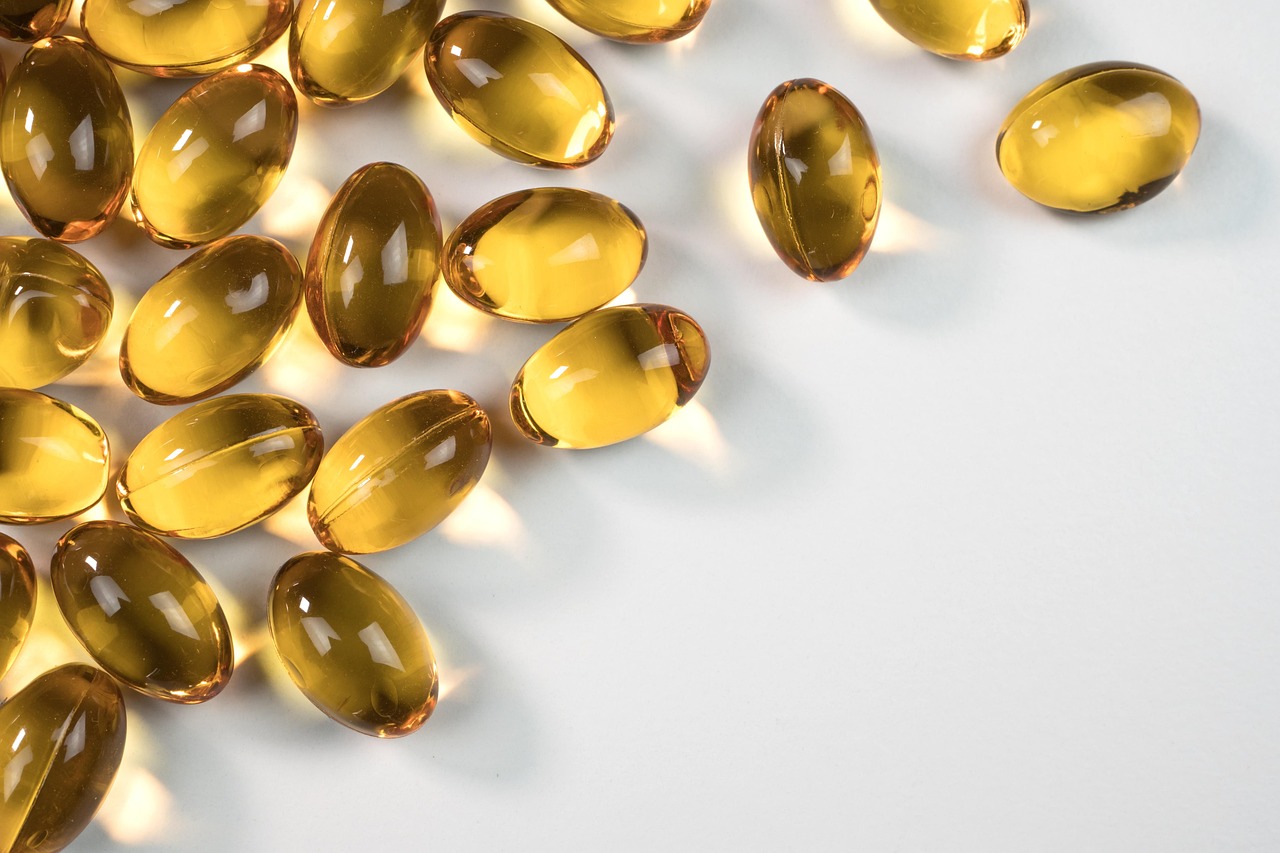
Brain health nutrition delivers powerful mental and physical benefits, backed by science. Omega-3s from fatty fish like salmon enhance cognitive function by boosting synaptic plasticity and BDNF, improving memory and problem-solving with 2-3 weekly servings. B vitamins, like folate in spinach, and omega-3s stabilize mood by supporting serotonin and reducing inflammation, potentially cutting depression symptoms by 20%. Antioxidants in blueberries combat oxidative stress, slowing memory decline by up to 11%. Healthy fats from nuts lower inflammation, reducing Alzheimer’s risk. Omega-3s and vitamin E promote heart health by clearing arterial plaque, ensuring brain blood flow. Fiber from greens strengthens the gut-brain axis, boosting immunity and neural health. Whole grains and hydration sustain the brain’s 25% energy demand, maintaining focus. The MIND diet, rich in these foods, reduces cognitive decline by 4% per decade, enhancing longevity and vitality for a sharper, healthier life.
What specialists say about Brain Health Nutrition

Sources
- Harvard Health Publishing. “Foods linked to better brainpower.” (2024).
- National Institutes of Health (NIH). “Healthy Eating Linked to Better Brain Health.” (2024).
- Mayo Clinic Health System. “Maximize memory function with a nutrient-rich diet.” (2023).
- PMC. “Brain foods: the effects of nutrients on brain function.” (2008).
- Healthline. “11 Best Foods to Boost Your Brain and Memory.” (2024).
Foods, Additives, and Fluids
- Fatty fish (e.g., salmon): Loaded with DHA omega-3s for synaptic health and mood stability; 2-3 servings weekly, but consult a doctor if you have seafood allergies.
- Blueberries: Bursting with flavonoids that boost memory and blood flow; a handful daily in yogurt or smoothies, generally safe though rinse well to avoid pesticides.
- Leafy greens (e.g., spinach): Provide vitamin K, folate, and lutein for cognitive protection; 1-2 cups daily in salads or sautés, but those on blood thinners should check with a provider.
- Walnuts: Offer vitamin E and ALA fats for arterial health and recall; a small handful (1 oz) daily as a snack, avoiding if nut-allergic.
- Green tea: Rich in catechins for antioxidant defense and alertness; 2-3 cups daily, but limit if caffeine-sensitive or pregnant.

Further Information
- See our article on Lifelong Learning for Brain Resilience.
- See our article on Stress Management.
- See our article on MIND Diet Guide.
Summary
Brain health nutrition empowers you to safeguard cognition and vitality through simple, science-backed choices like the MIND diet, rich in omega-3s, antioxidants, and vitamins from fatty fish, berries, and greens. These foods enhance memory, mood, and synaptic plasticity while curbing inflammation and decline—studies show a 4% drop in cognitive risks with consistent adherence. Start by swapping processed snacks for nuts or tea, aiming for balanced plates that fuel focus and resilience. Backed by Harvard, NIH, and Mayo Clinic, this approach not only sharpens your mind but supports heart health and longevity. Embrace these habits gently; small changes yield big rewards for a clearer, happier you.