Essential oils are concentrated plant extracts that bring the natural power of herbs, flowers, and fruits into your daily life. They are widely used to support wellness, from reducing stress and improving sleep to lifting mood and creating a calming environment.
Many people incorporate essential oils into self-care rituals, such as diffusing them during meditation, adding them to a relaxing bath, or using them in gentle massage. Beyond their aroma, essential oils offer a holistic way to connect with nature and nurture both body and mind.
When chosen carefully and used mindfully, they can become a simple yet powerful tool for everyday health and balance.
Main characteristics:
- Plant-derived extracts
- Highly concentrated
- Aromatic volatile compounds
- Require dilution with carrier oils
- Variety of botanical sources
- Variable purity & quality
- Not regulated as drugs
- Complementary not curative
Lifestyle goals:
- Stress reduction
- Better sleep
- Mood enhancement
- Mind-body balance
- Supportive self-care
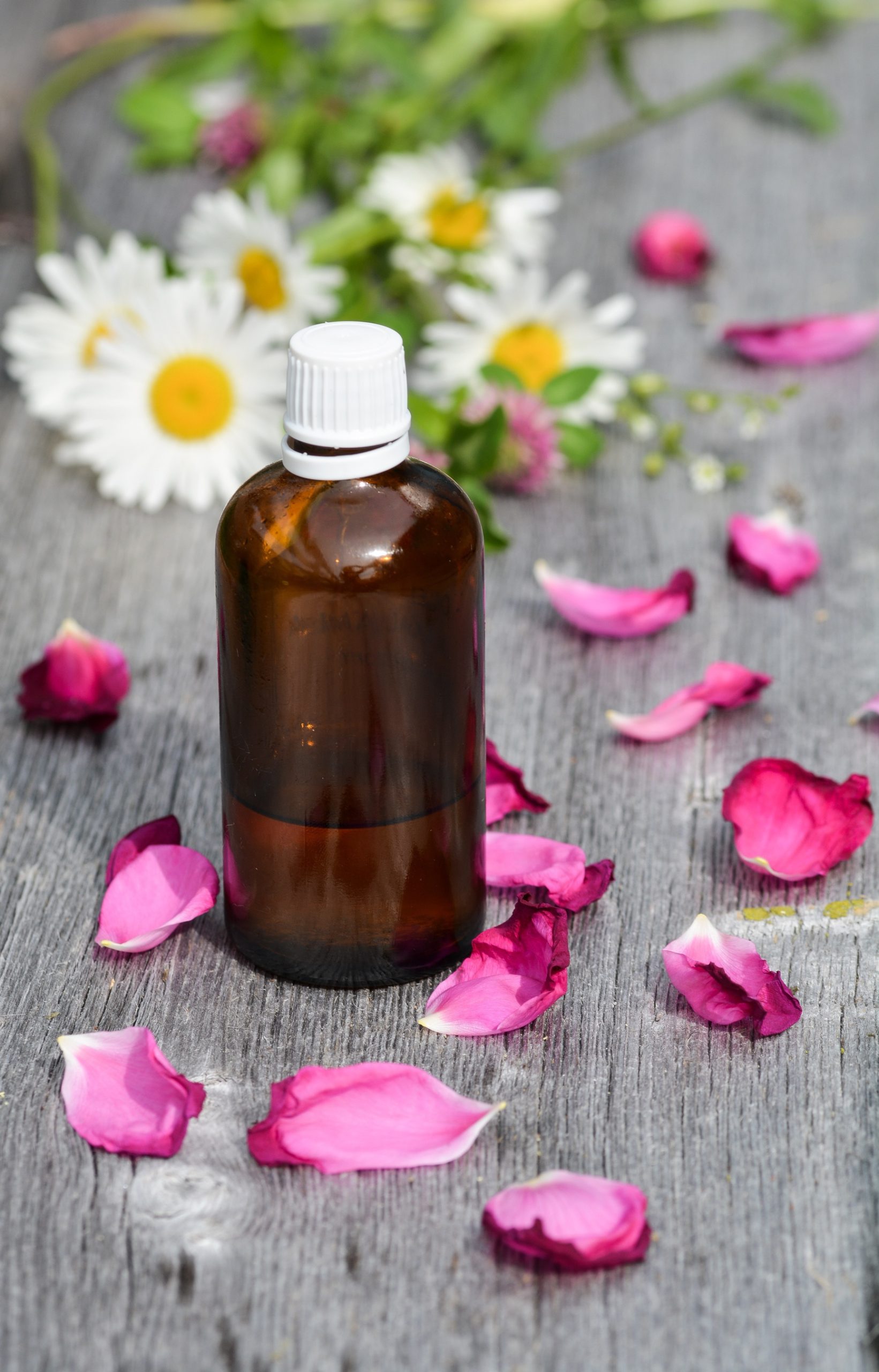
More about Essential Oils
Essential oils are complex mixtures of volatile compounds produced naturally by plants, including terpenes, phenolics, aldehydes, and esters. Their chemical diversity gives each oil a unique profile of aroma, potency, and potential physiological effects. These compounds can interact with the human body in multiple ways, including influencing the nervous system, skin receptors, and respiratory pathways. The molecular structure of specific constituents determines how quickly they are absorbed, metabolized, and eliminated, affecting both intensity and duration of their action.
Essential oils are highly sensitive to light, heat, and oxygen, which means storage conditions significantly influence their stability and efficacy. Blending oils can create synergistic effects, where the combination of compounds produces a stronger or more balanced response than individual oils alone.
In addition to their aromatic properties, some essential oils can alter local enzyme activity or cellular signaling pathways, contributing to subtle physiological modulation. Their effects can vary depending on concentration, method of delivery, and individual sensitivity, making personalized application an important consideration.
Essential oils can also influence psychological perception and behavior by triggering sensory associations and emotional responses. When incorporated intentionally into daily routines, they can enhance focus, relaxation, and overall sensory awareness, supporting a holistic approach to health and wellness.
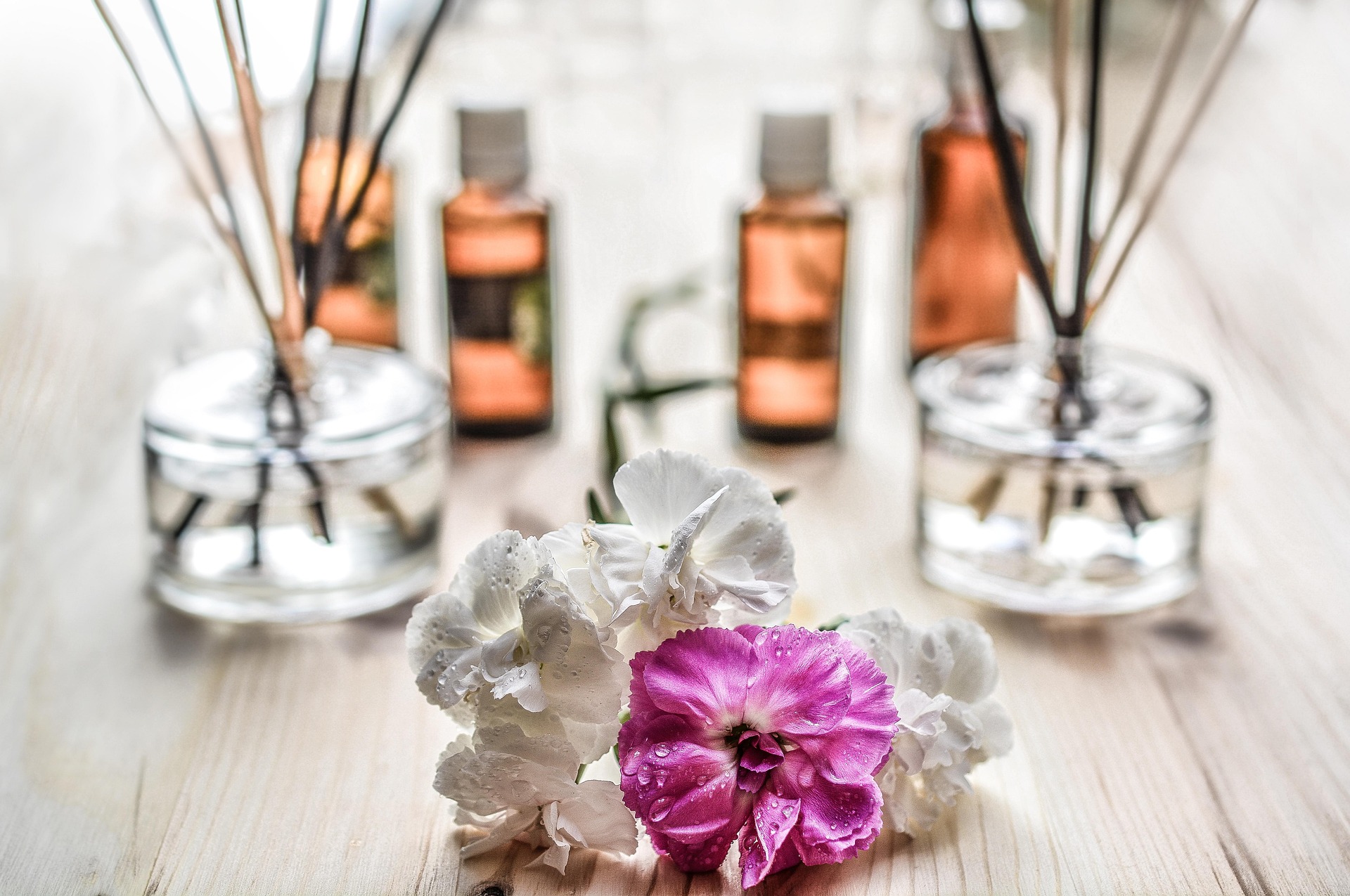
Health benefits of Essential Oils
- Reduction in stress and anxiety
- Improved sleep quality
- Relief of headache or mild pain symptoms
- Support for mood and emotional balance
- Aid in respiratory comfort
- Antimicrobial and anti-inflammatory support
- Enhancement of focus or cognitive clarity
- Support for digestive comfort
- Support in skincare
- Overall wellness
Many users of essential oils report feeling calmer and less anxious; controlled studies have found that inhalation of oils like lavender reduces anxiety levels in certain settings.
Oils such as lavender or chamomile used in the evening may help signal rest and improve sleep quality by supporting relaxation before bed.
Some essential oils, when applied carefully (e.g., diluted peppermint to temples), may help ease tension-type headaches or mild pain though evidence is limited.
The aromatic experience and sensory cues of essential oils can help regulate mood, uplift energy or ground the mind, contributing indirectly to emotional wellness.
Inhalation of certain oils may help with mild respiratory comfort by opening airways (in non-asthmatic people) or by providing a soothing scent environment—though caution is needed in asthma or COPD.
Laboratory studies show a range of antimicrobial and anti-inflammatory actions in essential oils (e.g., from citrus, thyme, rosemary), which may support general immune resilience and wellness.
Some individuals find that certain essential oils (like rosemary) support clearer thinking or increased alertness when used in a diffuser or as part of a morning ritual.
For digestive comfort, oils like ginger or peppermint may support nausea relief or comfort of the GI tract when inhaled or topically used (not ingested unless guided).
In skincare or topical wellness practices, essential oils can play a role in creating a soothing environment, supporting massage or body care, which enhances skin wellness by proxy.
Most importantly, using essential oils as part of a consistent self-care ritual reinforces healthy lifestyle practices—taking time, slowing down, being intentional—which itself is beneficial for health.
What experts say about Essential Oils

- Frontiers in Medicine. “Essential oils: a systematic review on revolutionizing health, nutrition, and omics for optimal well-being” (2024).
- PubMed. “Essential oils and health”. (2020).
- ScienceDirect. “Essential oils for clinical aromatherapy: A comprehensive review”. (2024).
- MDPI. “The Effects of Essential Oils on the Nervous System”. (2023).
Foods and Drinks to Consider
While essential oils are concentrated extracts, you can complement their use with foods and drinks that support similar wellness goals:
- Herbal teas: e.g., chamomile, lavender, mint—these offer gentle aromatic relaxation akin to inhalation of essential oils.
- Citrus fruits: oranges, lemons, bergamot-flavored teas—these echo citrus-derived oils’ uplifting mood and antimicrobial potential.
- Spice-infused waters or light broths: ginger, rosemary, thyme—these align with the bioactive compounds found in essential oils and support digestive and anti-inflammatory wellness.
- Carrier-oil based smoothies or dressings: while you don’t ingest essential oils directly, using high-quality culinary oils like olive or avocado can support skin and systemic health which couples well with topical essential-oil routines.
- Warm baths or infusions: you might add a few drops of safe diluted essential oil to a bath and accompany that with a lightly herbal iced tea for a combined sensory wellness experience.

Safety Tips for Using Essential Oils
Using essential oils safely is key to ensuring their benefits while avoiding unwanted reactions. Although they are natural, these extracts are highly concentrated and must be treated with care. Follow these essential safety tips:
- Always dilute before topical use. Mix essential oils with a carrier oil (such as coconut, jojoba, or almond oil) — typically a 1–2% dilution (about 1–2 drops of essential oil per teaspoon of carrier).
- Perform a patch test. Apply a small diluted amount to your inner arm and wait 24 hours to check for redness, itching, or irritation.
- Avoid ingestion unless directed by a qualified health professional. Many essential oils are not safe for internal use due to potential toxicity.
- Keep away from eyes, mucous membranes, and sensitive skin. Even small amounts can cause irritation or burns in these areas.
- Use caution during pregnancy, breastfeeding, or with children and pets. Some oils (e.g., eucalyptus, wintergreen, peppermint) may not be safe in these cases — consult a medical or certified aromatherapy expert.
- Store oils properly. Keep bottles tightly closed, out of direct sunlight, and away from heat to maintain potency and prevent degradation.
- Check purity and sourcing. Choose oils labeled as “100% pure essential oil,” ideally third-party tested or certified for quality.
- Limit diffusion time. Run diffusers for 15–30 minutes at a time to prevent overexposure, and ensure good ventilation.
- Avoid use on broken skin or near open wounds. This can increase the risk of irritation or infection.
- Consult your doctor if you have chronic conditions or take medications. Essential oils may interact with certain drugs or health conditions.
Used responsibly, essential oils can be a powerful addition to your daily self-care practice — offering comfort, calm, and connection to nature without compromising safety.
Summary
Essential oils offer a fascinating bridge between plant-based chemistry and everyday wellness rituals. They are not miracle cures, but when used thoughtfully—diluted correctly, inhaled or applied topically with intention—they may enhance stress relief, sleep, mood, and self-care. Because their composition varies and clinical evidence is still evolving, it’s wise to proceed with mindful use, focusing on quality, safety and integration into a broader healthy-lifestyle framework.
Complementing essential-oil use with supportive foods, restful rituals and mindful practices can amplify their potential benefits. Always approach new routines with awareness and consider consulting a trained provider if you have health conditions, are pregnant, or are using medications. In sum, essential oils can be a valuable piece of the wellness puzzle when used realistically, safely and consistent with your overall health goals.