Lifelong learning, the continuous pursuit of knowledge and skills throughout life, plays a vital role in enhancing mental resilience, cognitive function, and overall well-being. But what is it and how can one apply it to their day-to-day life?
Lifelong learning involves the ongoing, self-motivated process of acquiring new knowledge, skills, or perspectives beyond formal education. It’s about embracing challenges, reflecting on experiences, and adapting to life’s demands in various domains, such as strategic games or physical disciplines. It emphasizes distilling universal principles, like turning setbacks into growth opportunities or integrating mindfulness into daily routines to foster personal development and authenticity in a way that resonates with one’s unique personality and goals.
Main characteristics:
- Enhances mental clarity & focus
- Boosts emotional resilience
- Supports brain health & neuroplasticity
- Promotes physical vitality
- Strengthens stress management
- Fosters holistic growth
- Supports longevity & well-being
Lifestyle goals:
- Fasting
- Keto
- Longevity & Anti-Aging
- Brain Health
Impact on Mental and Physical Health
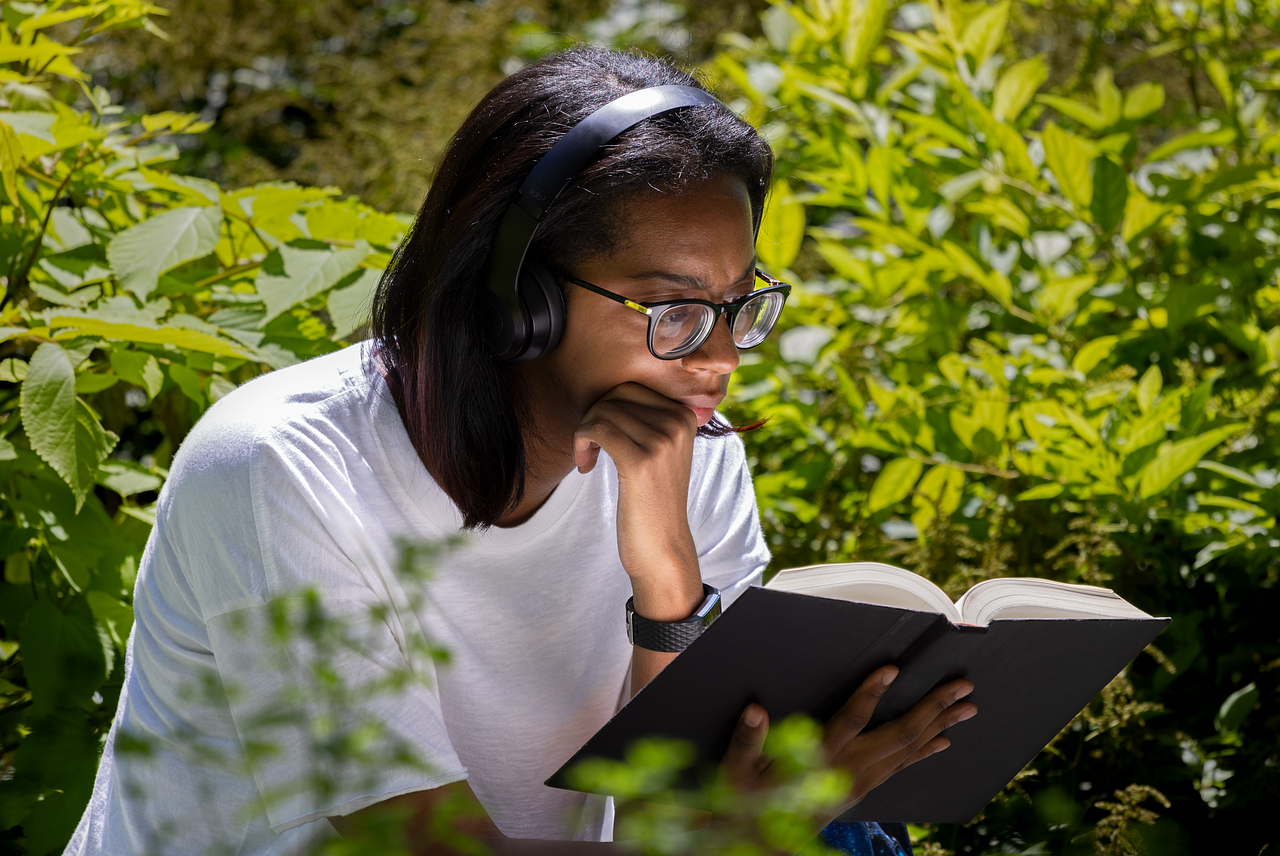
Lifelong learning significantly enhances mental health by building resilience and fostering a growth-oriented mindset. Engaging in new challenges, such as analyzing and learning from mistakes, reduces stress and boosts self-esteem. Research indicates it sharpens cognitive functions like memory and problem-solving while lowering risks of depression and cognitive decline. For example, reflecting on setbacks can catalyze emotional growth, promoting antifragility—where adversity becomes a source of strength—and helping individuals avoid burnout by maintaining a balanced approach to challenges.
Physically, lifelong learning encourages active lifestyles that support both brain and body health. Activities like martial arts or water-based sports improve autonomic nervous system regulation, optimize arousal states for peak performance, and reduce inflammation. Studies show continuous learning stimulates neuroplasticity—the brain’s ability to rewire itself—enhancing brain cell function and longevity. This approach also promotes better sleep, nutrition, and recovery habits, contributing to improved cardiovascular health and a reduced risk of chronic diseases, creating a holistic foundation for well-being.
How to Improve Behaviour
-
Pose a daily key question
-
Embrace small steps and mistakes
-
Prioritize quality in daily structure
-
Incorporate micro-movement sessions
-
Apply lessons across life domains
The Simple Steps to Take
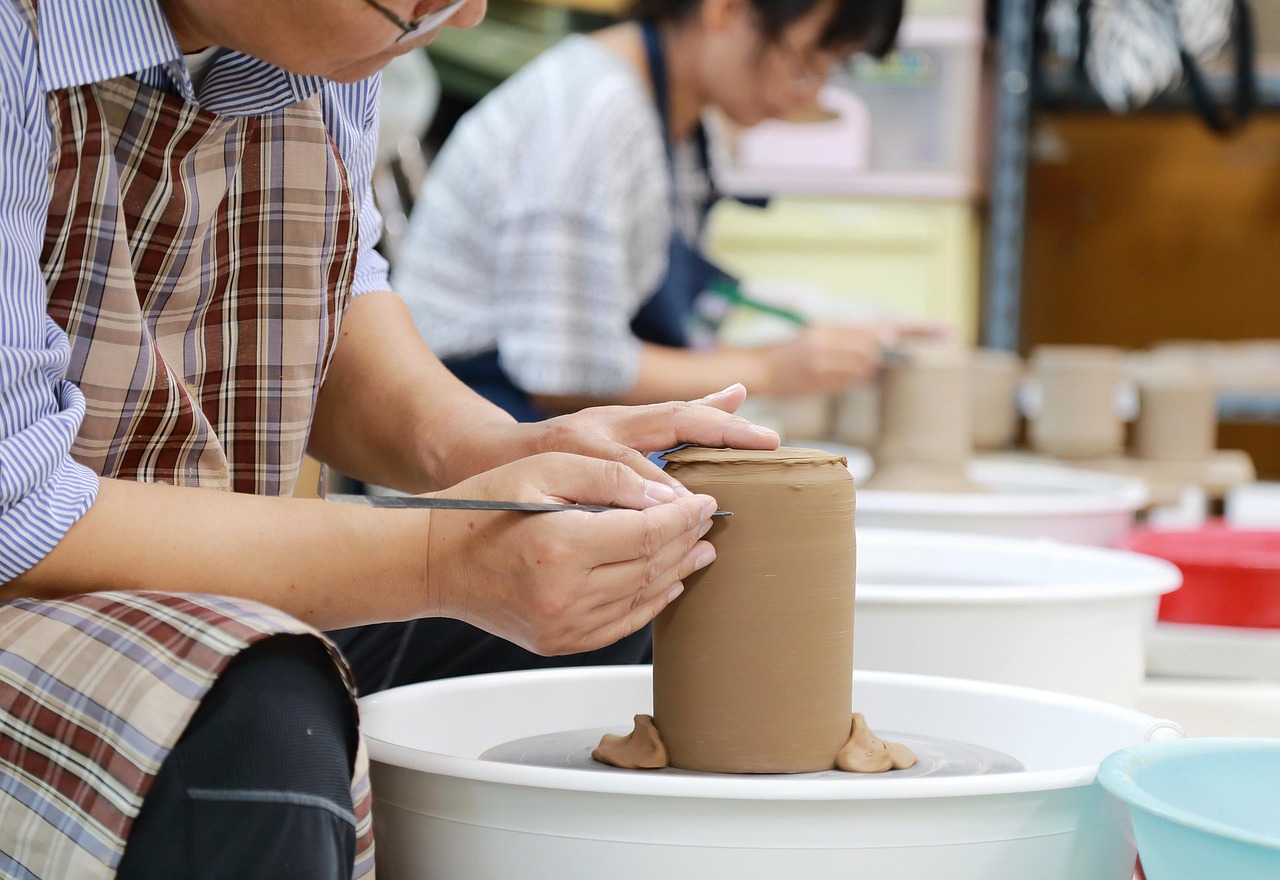
Enhancing lifelong learning involves adopting habits that build resilience, focus, and holistic growth while supporting mental health. Start by ending each day with a reflective prompt on a key hurdle, then revisit it distraction-free upon waking to unlock deeper insights and sharpen clarity. Embrace gradual progress by examining a single daily oversight, reframing it as a valuable lesson to ease anxiety and cultivate confidence. Design your routine around excellence by reserving prime hours for deep, uninterrupted creative efforts, weaving in brief pauses for mindfulness or light movement to shift from reactive to intentional living. Integrate short bursts of physical activity, such as mindful breathing or gentle stretches, to regulate stress and sustain both cognitive sharpness and bodily vigor. Finally, bridge experiences between pursuits—like drawing patience from leisure into personal bonds—through regular written reviews to nurture well-rounded development and a sense of purpose. These practices, grounded in evidence, foster emotional strength and long-term well-being.
What specialists say about Lifelong Learning
Established Information Sources
- Harvard Health Publishing. “Foods linked to better brainpower.” (2024).
- National Institutes of Health (NIH). “The Many Benefits of Lifelong Learning.” Walden University (aligned with NIH research).
- Source: Forbes. “The Power Of Lifelong Learning: How Curiosity Forges Mastery.” (2023).
- Source: Mayo Clinic Health System. “Maximize memory function with a nutrient-rich diet.” (2023).
- Source: American Psychological Association. “The Benefits of Lifelong Learning for Mental Health.” (2022).
Foods, Additives, and Fluids
-
Fatty fish like salmon: Rich in omega-3 fatty acids, they support cognitive processes and neuroplasticity; aim for 2-3 servings weekly, but consult a doctor if you have fish allergies.
-
Berries such as blueberries: Packed with antioxidants, they enhance memory and reduce oxidative stress on the brain; enjoy a handful daily, fresh or in smoothies, with no major precautions for most people.
-
Leafy greens like spinach: High in vitamin K and folate, they promote brain health and cognitive sharpness; include in meals 3-4 times a week, but those on blood thinners should monitor intake.
-
Nuts and seeds (e.g., walnuts, pumpkin seeds): Provide protein and healthy fats for sustained energy and focus; snack on a small portion daily, avoiding if you have nut allergies.
-
Eggs: A source of choline for brain function and learning; eat 1-2 a few times weekly, choosing pasture-raised if possible, and consult a healthcare provider if you have high cholesterol concerns.

Interlinked Information
-
See our article on Brain Health Nutrition.
-
See our article on Stress Management Techniques.
Summary
Lifelong learning enhances mental and physical health by fostering resilience, sharper cognition, and reduced stress through embracing challenges and reflecting on setbacks. It promotes neuroplasticity and antifragility, turning adversity into growth while supporting better sleep and nutrition habits. Improve by posing daily reflective questions, scheduling focused work, and incorporating movement. Support your brain with foods like salmon and berries, rich in omega-3s and antioxidants. Backed by Harvard Health, NIH, and other credible sources, these practices boost well-being, self-esteem, and longevity. Start small today to cultivate a fulfilling, learning-driven life.