Reading food labels is one of the most powerful tools for making informed dietary choices. Labels tell the story behind every packaged product, from calories and macronutrients to hidden sugars, sodium, and fats. Understanding them empowers you to select foods that support your health goals, whether it’s managing weight, improving energy, or preventing chronic diseases. With label literacy, you can see beyond marketing claims like “low fat” or “high protein” and make decisions based on real nutrition. Learning to read labels effectively transforms shopping into a mindful, health-promoting habit.
Main characteristics:
- Serving size
- Calorie content
- % Daily Value
- Total fat
- Saturated/trans fats
- Sodium
- Total carbohydrates
- Added sugars
- Protein content
- Ingredient list
Lifestyle goals:
- Choose nutrient-rich foods
- Maintain healthy weight
- Reduce chronic disease risk
- Support mindful eating
- Build lasting healthy habits

More about Reading Food Labels
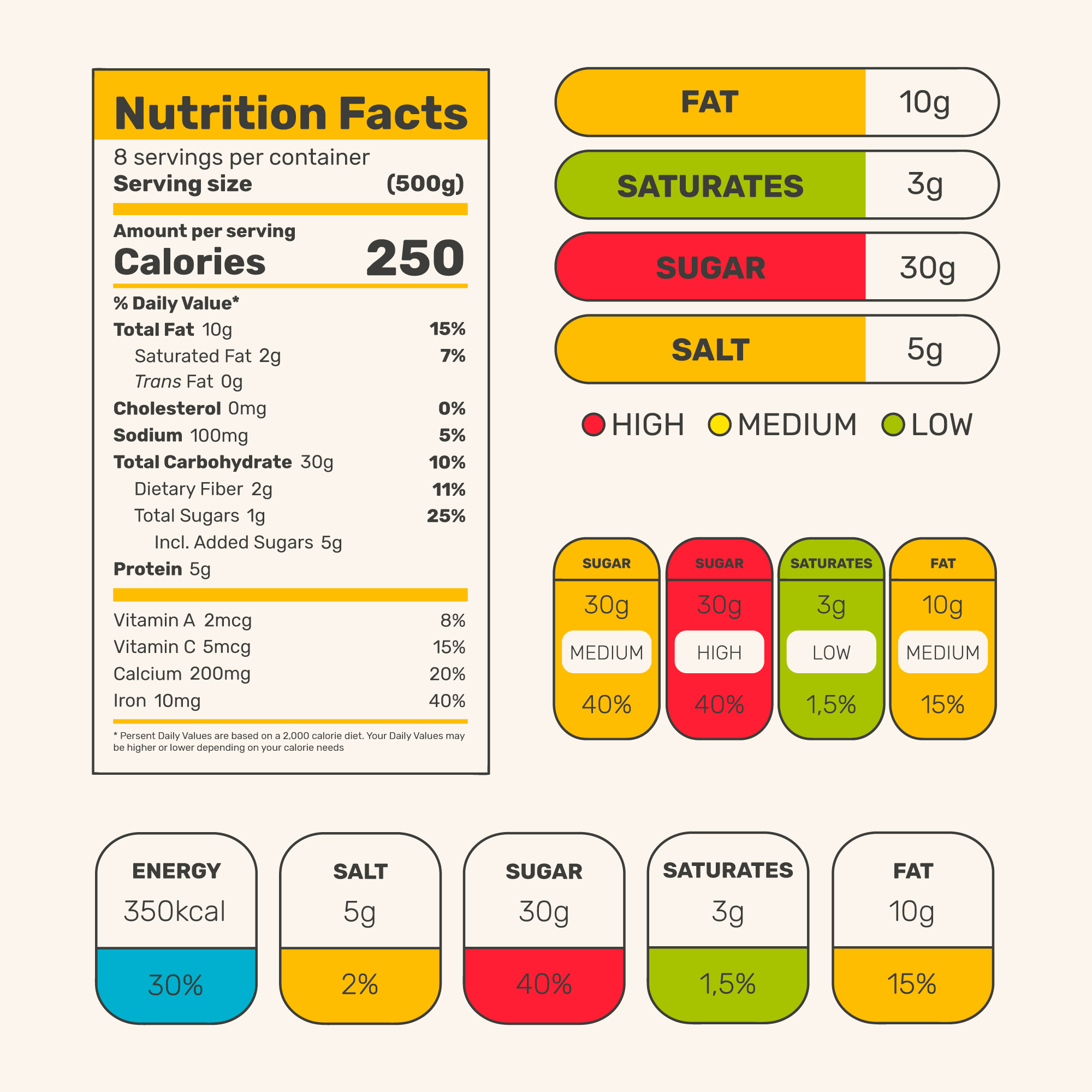
Reading food labels is more than scanning numbers—it’s about understanding how each nutrient affects your body. Start by checking the serving size, as all nutrient information is based on it; eating more than one serving multiplies calories, fats, and sugar. Calories indicate the energy provided per serving, helping you balance intake with activity. Use the % Daily Value (%DV) to quickly see if a nutrient is low (≤5%) or high (≥20%) in the food. Limit saturated fat, trans fat, sodium, and added sugars, while aiming for higher fibre, protein, and essential vitamins and minerals. The ingredient list is key: ingredients are listed in order of weight, so the first few dominate the product. Watch out for hidden sugars (e.g., sucrose, dextrose) and sodium-heavy additives (e.g., MSG, baking soda).
Compare similar products to select options with better nutrient profiles. Consistent label reading builds confidence, helps avoid marketing traps, and guides healthier choices. Over time, it becomes a routine part of shopping and supports long-term nutrition goals
Health benefits of Reading Food Labels
- Smarter food decisions
- Weight management
- Lower sugar intake
- Reduced sodium levels
- Heart health protection
- Balanced fat consumption
- Higher fibre intake
- Chronic disease prevention
- Improved digestion
- Greater food awareness
Reading food labels makes you aware of what you’re eating, allowing smarter choices at every meal. Monitoring calories and portion sizes helps maintain or reduce weight effectively. Being mindful of added sugars reduces the risk of diabetes, obesity, and energy crashes. Watching sodium intake protects against high blood pressure and cardiovascular disease. Limiting unhealthy fats supports cholesterol balance and heart health. Choosing high-fibre foods improves digestion, controls blood sugar, and promotes satiety. Consistently selecting nutrient-rich foods supports chronic disease prevention. Knowledge of protein, vitamins, and minerals ensures your body gets essential nutrients for energy, immunity, and overall health. Over time, these small, informed choices create greater dietary awareness, helping you avoid processed, high-calorie foods. Label literacy builds confidence, turning every shopping trip into a mindful, health-promoting activity.
What experts say about Reading Food Labels

- BMC Public Health. “Nutrition Facts Labels: Who Is Actually Reading Them and Does It Help in Meeting Intake Recommendations?” (2023).
- MDPI Foods. “Use and Understanding of Nutrition Labels: Impact of Diet, Nutrition Knowledge and Health Attitudes.” (2022).
- National Institutes of Health (PMC). “The Effects of Nutrition Knowledge on Food Label Use.” (2015).
- ScienceDirect. “Analyzing Consumer Behaviour Towards Food and Nutrition Labelling.” (2023).
- SpringerLink. “A Review of European Research on Consumer Response to Nutrition Information on Food Labels.” (2007).
Foods & Drinks to Consider
-
Whole grains: Oats, quinoa, brown rice, whole-grain bread, whole-grain pasta — ≥8 g whole grains per serving, ≥3 g fibre.
-
Fruits: Apples, berries, oranges, bananas — high in fibre, vitamin C, and natural sugars.
-
Vegetables: Leafy greens, broccoli, carrots, bell peppers — high in fibre, potassium, and antioxidants.
-
Lean proteins: Chicken breast, turkey, fish, tofu, legumes, eggs — ≥15 g protein per main meal, low in saturated fat.
-
Dairy or fortified alternatives: Low-fat yogurt, skim milk, plant-based milks (fortified with calcium & vitamin D) — ≥10% DV calcium, ≥5 g protein per serving.
-
Healthy fats & nuts: Avocado, olive oil, almonds, walnuts, chia seeds — moderate total fat, rich in unsaturated fats and omega-3s.
-
Beverages: Water, sparkling water, unsweetened tea, black coffee — avoid added sugars; fruit juices ≤10 g sugar per 8 oz.
-
Snacks: Hummus with vegetables, air-popped popcorn, roasted chickpeas, protein bars with low sugar (<5 g) and high fibre (≥3 g).
-
Canned & packaged foods: Choose low-sodium beans, tuna in water, unsalted nuts, soups with <400 mg sodium per serving.
-
Condiments & spreads: Mustard, salsa, nut butter with no added sugar or salt — keep added sugar <5 g and sodium <100 mg per serving.
Tip: Look for foods that are nutrient-dense — high in protein, fibre, vitamins, minerals — and low in added sugar, sodium, and saturated fat. This combination maximizes health benefits while keeping calories in check.

Ideal Nutrient Targets When Choosing Foods
When selecting products, aim for these targets (average adult, 2,000 kcal/day):
- Calories: 100–250 kcal per snack/portion; 300–500 kcal per main meal — keeps energy intake balanced.
- Protein: 5–15 g per snack, 15–25 g per main meal — supports satiety and muscle maintenance.
- Total Fat: 3–10 g per snack, 10–20 g per meal — focus on healthy fats like olive oil, avocado, nuts.
- Saturated Fat: ≤2 g per snack, ≤5 g per meal — lower saturated fats protect heart health.
- Trans Fat: 0 g — avoid completely.
- Added Sugars: ≤5 g per snack, ≤10 g per meal — helps prevent blood sugar spikes.
- Sodium: ≤140 mg per snack, ≤400 mg per meal — reduces hypertension risk.
- Fibre: ≥3 g per snack, ≥5 g per main meal — aids digestion, blood sugar control, and fullness.
- Whole Grains: ≥8 g per serving — ensures complex carbohydrates and fibre.
- Vitamins/Minerals: ≥10–20% DV for calcium, iron, potassium, vitamin D — ensures meaningful nutrient contribution.
- Carbohydrates: 15–30 g per snack, 40–60 g per meal — focus on whole grains and low-GI sources.
- Cholesterol: ≤50 mg per serving — helps maintain healthy blood cholesterol levels.
Practical Tips:
- Snacks: ≤150 calories, ≤5 g sugar, ≥2–3 g fibre
- Cereals: ≥3 g fibre, ≤6 g sugar, ≥3 g protein
- Yogurts: ≤12 g sugar, ≥5 g protein, ≥10% DV calcium
- Bread & grains: ≥8 g whole grains, ≥3 g fibre
- Beverages: Water, unsweetened tea, or ≤10 g sugar per 8 oz juice
- Compare similar products using these numbers; e.g., choose the cereal with higher fibre and lower sugar.
- Use %DV as a quick reference: ≤5% DV is low, ≥20% DV is high.
- Prioritize products with more fibre, protein, vitamins, and minerals, and less sugar, saturated fat, and sodium.
- Be cautious of marketing claims like “low fat” — they may hide high sugar content.
- Snacks or single-serve products should fit within your daily calorie and nutrient targets, not exceed them.
Summary
Reading food labels is a crucial skill for making healthier, more informed food choices. It allows you to see past marketing claims, identify hidden sugars, sodium, and unhealthy fats, and choose nutrient-rich foods that support your goals. Knowing serving sizes, calories, % DV, and ingredient order empowers you to manage portions, maintain a healthy weight, and prevent chronic disease. Incorporating fibre, whole grains, protein, and essential vitamins ensures a balanced diet. Applying practical targets while shopping helps you pick foods that meet your nutritional needs without guesswork. Over time, label literacy builds confidence, awareness, and a proactive approach to eating — transforming grocery trips into opportunities to improve health and wellbeing.