Vitamins are essential micronutrients that the body needs to function properly but cannot produce in sufficient amounts on its own. They play critical roles in energy production, immune function, brain health, and cellular repair. Each vitamin contributes uniquely to maintaining overall well-being and preventing nutritional deficiencies.
Vitamins are obtained primarily through food, though supplements may be necessary in certain situations. Understanding vitamins helps support healthier lifestyle choices and optimal long-term physical and mental performance.
Main characteristics:
- Essential nutrients
- Organic compounds
- Support metabolism
- Boost immunity
- Cell protection
- Energy production
- Tissue repair
- Hormone function
- Antioxidant action
- Brain support
Lifestyle goals:
- Balanced diet
- Daily intake
- Deficiency prevention
- Energy maintenance
- Immune support
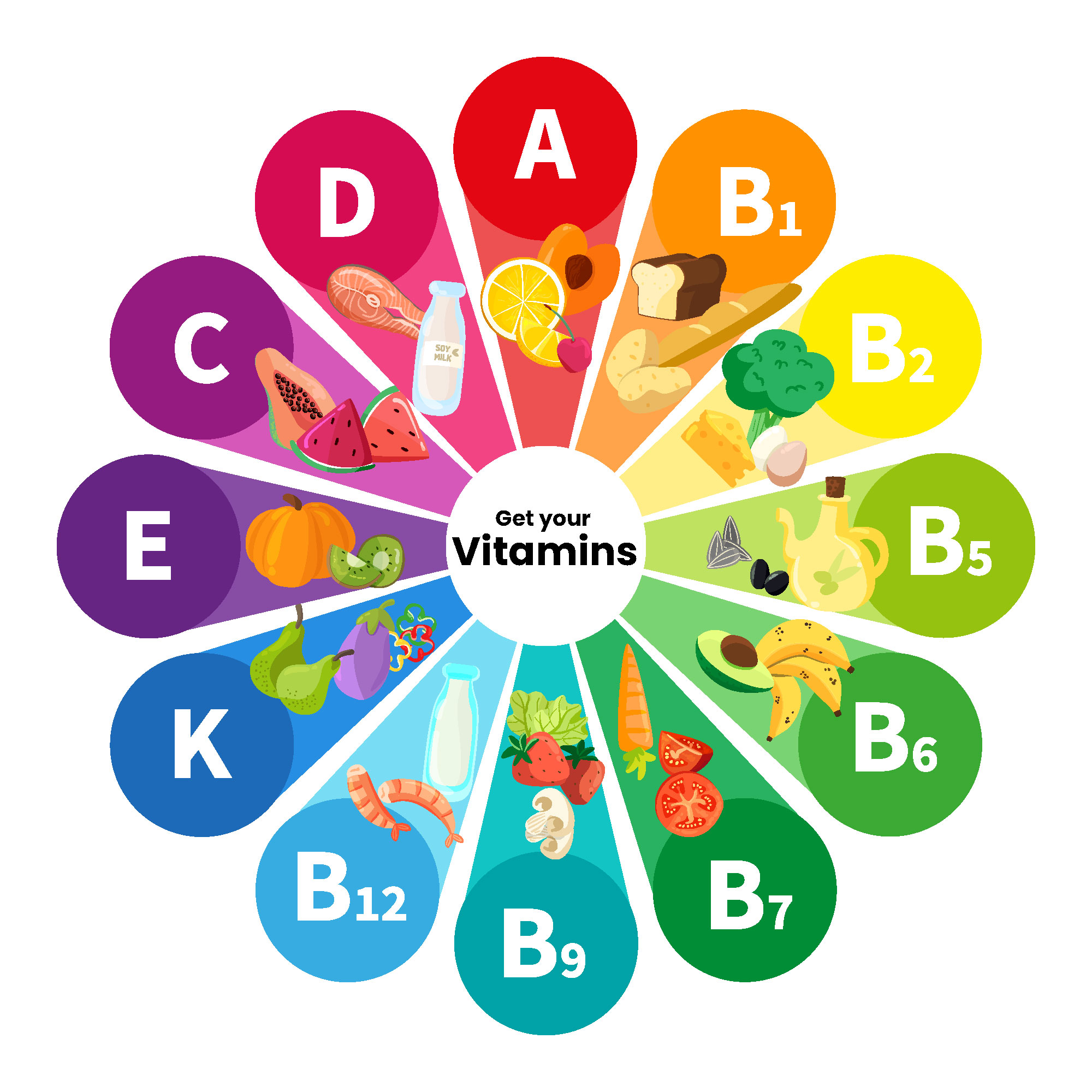
More about Vitamins
Vitamins are categorized into two groups: fat-soluble (A, D, E, K) and water-soluble (B-complex and C), each with different absorption and storage characteristics. Fat-soluble vitamins are stored in the body’s fatty tissues, while water-soluble vitamins must be consumed more regularly because they are excreted more easily.
Each vitamin plays a specific physiological role, from supporting vision to aiding blood clotting or enhancing nerve function. Deficiencies in vitamins can lead to significant health issues, such as weakened immunity, poor wound healing, anemia, or neurological problems.
A balanced and varied diet is generally the best way to obtain adequate vitamin intake. However, factors like age, digestive conditions, pregnancy, and lifestyle can increase nutritional requirements. Supplements may be recommended in cases of restricted diets or medically diagnosed deficiencies. Excessive intake, particularly of fat-soluble vitamins, can also cause toxicity and health complications. Awareness of proper dosage and food sources is essential for maintaining vitamin balance.
Overall, vitamins remain a fundamental component of daily health and disease prevention.

Health benefits of Vitamins
- Strong immunity
- Higher energy
- Bone health
- Vision support
- Skin repair
- Antioxidant effects
- Blood formation
- Nerve function
- Hormone balance
- Cell growth
- Vitamins play a major role in strengthening the immune system by supporting the function of white blood cells and promoting faster response to infections.
- They contribute to higher energy levels by helping convert food into usable cellular energy.
- Bone health is strongly influenced by vitamins, particularly vitamin D and K, which regulate calcium absorption and bone metabolism.
- Vision support is largely tied to vitamin A, which helps maintain healthy retinas and visual clarity.
- Skin repair is assisted by vitamins such as vitamin C and E, which promote collagen formation and protect against oxidative stress.
- Antioxidant effects from vitamins like C and E help reduce cellular damage caused by free radicals.
- Blood formation depends heavily on B-vitamins and folate, which ensure proper red blood cell production and oxygen transport.
- Nerve function is enhanced by B-complex vitamins, especially B12 and B6, which support neurotransmitter production and myelin formation.
- Hormone balance is partially controlled by vitamins that participate in endocrine system regulation.
- Cell growth and tissue maintenance rely on a combined supply of several vitamins that support DNA synthesis and cellular repair processes.
Together, these benefits illustrate how vitamins contribute to both immediate well-being and long-term health protection. They help prevent chronic diseases by maintaining healthy metabolic pathways. Adequate vitamin intake supports improved recovery from illness or physical stress. Vitamins also enhance cognitive performance by sustaining brain health and reducing inflammation. They help protect the cardiovascular system by regulating homocysteine levels and reducing oxidative damage. Proper vitamin levels promote healthier aging by supporting cellular rejuvenation. They play a role in maintaining restful sleep patterns and stable mood regulation. Vitamins contribute to maintaining a healthy digestive system by supporting enzyme and tissue function. Finally, by maintaining overall physiological balance, vitamins help the body function efficiently across all organ systems.
What experts say about Vitamins

- MDPI and ACS Style. Barker, T. “Vitamins and Human Health: Systematic Reviews and Original Research.” Nutrients (2023), 15, 2888.
- PeerJ. “Revisiting food‑sourced vitamins for consumer diet and health needs: a perspective review.” (2021).
- Frontiers in Immunology. “Micronutrients, Immunity and Infection: Role of Vitamins in Immune Function.” (2022).
Interesting Facts about Vitamins
– Some vitamins act as hormones in the body, especially vitamin D, which behaves more like a hormone than a nutrient.
– Vitamin K2 helps guide calcium to the bones and teeth while preventing it from settling in arteries — a little-known cardiovascular benefit.
– Your body can store vitamin B12 for several years, making deficiency slow to appear but serious when it develops.
– Vitamin C can enhance iron absorption from plant foods by up to fourfold, which is especially beneficial for people with low iron levels.
– Vitamin A deficiency is still one of the top causes of preventable blindness globally.
– Niacin (B3) can help lower cholesterol levels at high therapeutic doses, a discovery originally made by accident.
– Biotin (B7) not only supports hair health but also plays a key role in genetic expression and gene regulation.
– Vitamin E protects fatty tissues in the brain from oxidative damage, offering benefits for long-term cognitive health.
– Your skin can produce up to 10,000 IU of vitamin D after just 15–30 minutes of midday sun exposure, depending on skin tone and latitude.
– Vitamin C is essential for collagen synthesis, which means it indirectly supports not only skin, but also gum health, joints, cartilage, and blood vessel strength.
– Folate (B9) is crucial for healthy cell division and is one of the few vitamins proven to prevent certain birth defects when consumed before pregnancy.
– The body uses vitamin B6 to produce neurotransmitters like serotonin and dopamine, linking it closely to mood regulation.
– Some vitamins, such as vitamin A and E, can act as antioxidants that protect DNA from damage at the cellular level.
– Vitamin K1 and K2 have very different roles, although both are called vitamin K; K1 aids clotting, while K2 controls calcium placement in the body.
– Pantothenic acid (B5) is needed to produce coenzyme A, an essential molecule involved in synthesizing hormones, fats, and even detoxification processes.

Food Sources and Recommended Dietary Allowance (RDA)
- Vitamin A – Supports vision, immunity, and skin health. RDA: ~900 µg RAE (men), 700 µg RAE (women). Top sources: liver, carrots, sweet potatoes, spinach, kale, eggs.
- Vitamin C – Boosts immunity, collagen production, and antioxidant defense. RDA: ~90 mg (men), 75 mg (women). Top sources: citrus fruits, bell peppers, kiwi, berries, broccoli.
- Vitamin D – Regulates calcium absorption and promotes strong bones and immune function. RDA: ~15 µg (600 IU) for most adults. Top sources: sunlight, salmon, mackerel, fortified milk, egg yolks.
- Vitamin E – Acts as a major antioxidant protecting cells from oxidative stress. RDA: ~15 mg. Top sources: almonds, sunflower seeds, vegetable oils, avocados, spinach.
- Vitamin K – Essential for blood clotting and bone metabolism. RDA: ~120 µg (men), 90 µg (women). Top sources: kale, spinach, broccoli, Brussels sprouts, fermented nattō.
- Vitamin B1 (Thiamin) – Helps convert food into energy and supports nerve function. RDA: ~1.2 mg (men), 1.1 mg (women). Top sources: whole grains, pork, legumes, nuts, seeds.
- Vitamin B2 (Riboflavin) – Supports energy production and benefits skin and eye health. RDA: ~1.3 mg (men), 1.1 mg (women). Top sources: dairy products, eggs, almonds, leafy greens, whole grains.
- Vitamin B3 (Niacin) – Aids metabolism, skin health, and nervous system function. RDA: ~16 mg (men), 14 mg (women). Top sources: poultry, fish, peanuts, beef, whole grains.
- Vitamin B5 (Pantothenic Acid) – Supports hormone production and metabolic reactions. Adequate Intake: ~5 mg for adults. Top sources: chicken, mushrooms, avocados, whole grains, eggs.
- Vitamin B6 (Pyridoxine) – Important for brain function, immunity, and red blood cell formation. RDA: ~1.7 mg (men), 1.5 mg (women). Top sources: fish, bananas, chickpeas, poultry, potatoes.
- Vitamin B7 (Biotin) – Supports metabolism, hair and nail strength, and gene regulation. Adequate Intake: ~30 µg for adults. Top sources: eggs, nuts, seeds, salmon, sweet potatoes.
- Vitamin B9 (Folate/Folic Acid) – Crucial for DNA synthesis and cell division. RDA: ~400 µg for adults. Top sources: leafy greens, beans, lentils, citrus fruits, fortified grains.
- Vitamin B12 (Cobalamin) – Maintains nerve function and helps form red blood cells. RDA: ~2.4 µg for adults. Top sources: meat, fish, dairy, eggs, and fortified plant milks.
Summary
Vitamins are indispensable micronutrients that support many vital functions in the body — from metabolism and energy production to immunity, growth, and tissue repair. Because they are often required in small quantities and must come from diet, achieving a balanced, varied nutritional intake is key to meeting vitamin needs.
Both deficiency and excess of vitamins carry risks, which makes achieving the right balance important. A wholesome diet rich in fruits, vegetables, whole grains, dairy or fortified products, and fish tends to supply most essential vitamins. In some cases — such as restrictive diets, certain life stages, or limited sun exposure — supplementation may be warranted, but should be approached thoughtfully.
Understanding the types, roles and sources of vitamins empowers individuals to make informed dietary choices and support long-term health. Ultimately, vitamins remain a foundational pillar of nutrition and well-being.